

If you live in Baja long enough, you learn two truths that can both be true at the same time. One, Rosarito can feel like the easiest weekend in North America. Two, visitor confidence is fragile, and it doesn’t take much for people to start asking their favorite question in every expat group online: “Is it safe?”
This week, Rosarito officials and the Baja state tourism team leaned into that reality by proposing a Mesa de Seguridad Turística, basically a tourism safety coordination table, paired with a regional promotion strategy linking Tijuana, Rosarito, and Ensenada as one coastal corridor worth visiting on purpose, not just by accident.
So what is this plan, who’s behind it, and what does it actually change for Americans who live here, visit often, or are thinking about their next long weekend?
What they’re proposing
According to reporting on the meeting, the state tourism secretary proposed setting up a Mesa de Seguridad Turística in Rosarito as an interagency coordination mechanism to improve visitor attention and keep tourism areas operating in “orderly” conditions. The same conversations also included moving forward on a formal collaboration agreement between the state and the city focused on promotion, training, and tourism product development, plus a push to strengthen meetings and events tourism, the MICE segment, to position Rosarito as a strategic host city for conferences and conventions.
Separately, El Mexicano framed it as two tracks running together: a tourism security table and a coordinated regional campaign where Tijuana, Rosarito, and Ensenada promote themselves under one strategy, with Rosarito aiming to host a mega-region event to reinforce its role inside the corridor.
If you’re an expat, you can translate all that into plain English: the goal is to make tourism zones feel more predictable, more organized, and better staffed, while marketing the region as a connected trip rather than a single-stop beach day.
Why now
Rosarito has been riding a strong winter wave. One local report cited the Rosarito hotel association saying occupancy hit 100 percent on Saturday during the Valentine’s Day and Presidents Day weekend, helped by favorable weather and a positioning campaign funded through the local tourism promotion trust. When rooms fill like that, the next question is how to keep the momentum going without letting problems, real or perceived, steal the spotlight.
There’s also a broader, very Baja reality: security work happens year-round, but it gets extra attention before peak travel periods like Semana Santa and big international moments like the 2026 World Cup cycle, when authorities don’t want the headlines to write themselves.
And Rosarito’s municipal government has been publicly emphasizing interagency coordination through existing security tables focused on prevention, patrols, and crime trends. A tourism-focused table fits neatly into that pattern, except with visitors as the customer.
What a tourism safety table usually means in practice
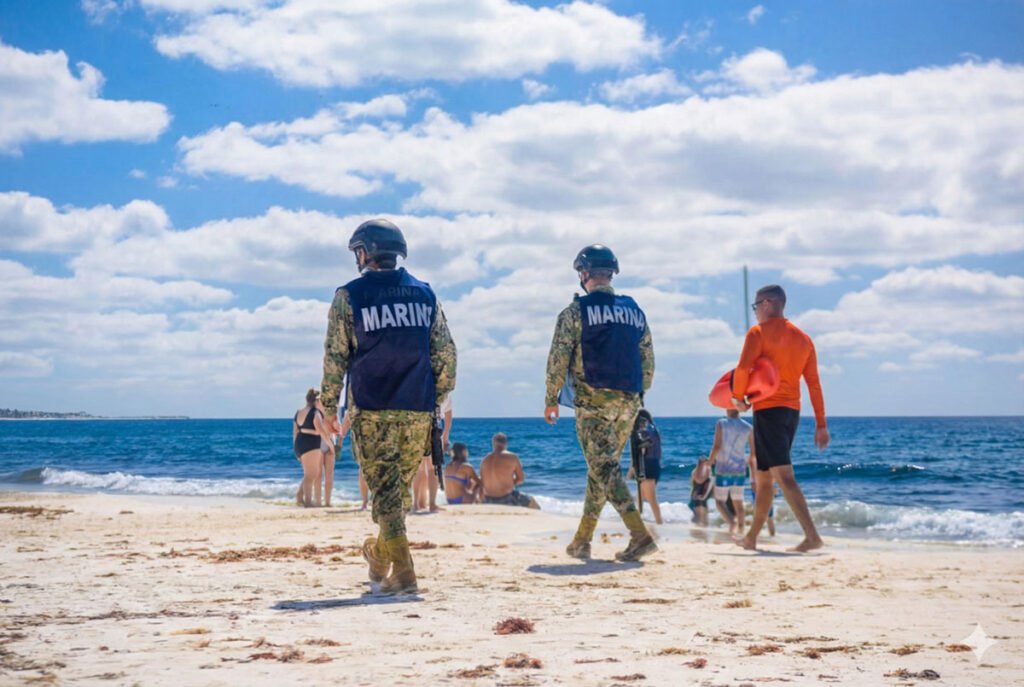
These tables are not magic wands. They’re logistics. A Mesa de Seguridad Turística tends to mean regular coordination between municipal police, state forces, federal presence where applicable, emergency services, and tourism officials so they can align on basics that matter to visitors.
Think visible patrols in tourist zones, faster response to incidents, clearer protocols for events, and a more consistent approach to issues that annoy tourists and locals equally, like aggressive parking schemes, petty theft hotspots, or chaotic traffic choke points during big weekends. It also tends to include training, because the easiest way to calm a situation is often a calm, well-trained first contact.
Can this restrict anything? Not really. The point is usually the opposite: to make public spaces work better, so the visitor experience feels smoother and safer.
What the regional campaign angle is really about
The promotion piece is interesting because it admits something everyone already does. Americans rarely visit only one place. They might stay in Rosarito, eat in Tijuana, and do wine country out of Ensenada, all in the same weekend. A coordinated campaign simply tries to brand that behavior instead of pretending each city is an island.
For expats, that can be genuinely useful if it results in better visitor information, better event calendars, clearer messaging, and more consistent standards across the corridor, especially during high-traffic weekends.
What to watch next
The real measure won’t be the announcement. It’ll be what changes on the ground. Does the tourism safety table meet regularly and publish clear actions? Do visitors notice better organization in tourist zones? Does the regional campaign actually show up in smarter wayfinding, cleaner information, and fewer “good luck, figure it out” moments?
If you’ve ever been told a beach access is private, been waved away from a parking area that suddenly became “reserved,” or watched traffic on the Scenic Highway turn into a slow-moving group therapy session, you already know why coordination matters.
Tell us what you’ve seen in Rosarito lately. Better, worse, or about the same? And what would actually make you feel more comfortable inviting friends down for a weekend?