Baja California is famous for fishing. We’ve got coastline, boats, tournaments, seafood swagger, and enough fish stories to fill a library the size of Costco.
And yet, until this week, Baja California had never issued a commercial fishing permit for inland waters.
Yes. The state that sits near the top nationally in fishing production somehow had a paperwork-sized hole in the middle of the map.
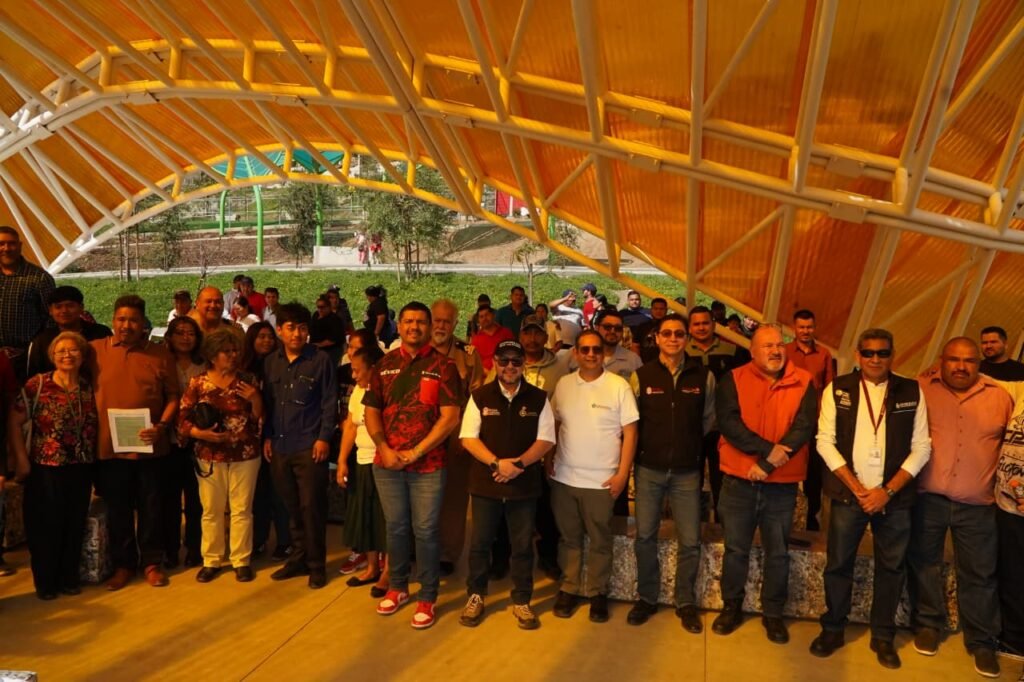
That changed Sunday, Feb. 8, 2026, when the cooperative Mojarreros de la Abelardo S.C. de R.L. de C.V. received the first commercial permit for freshwater finfish (escama de agua dulce) in the Abelardo L. Rodríguez Dam in Tijuana. Federal and state officials marked it with a symbolic event at Parque Esperanto, with National Commission of Aquaculture and Fisheries (CONAPESCA) and
Mexican Institute for Sustainable Fisheries and Aquaculture Research (IMIPAS) explaining what it really means: order, rules, and a push toward sustainable use of the reservoir.
If you’re thinking, Wait… you need a permit to catch fish in a dam? Welcome to the part of adulthood nobody posts on Instagram.
Why an inland waters permit matters
In Mexico, commercial fishing isn’t supposed to be a “whoever shows up first with a net wins” situation. Permits exist to say who can fish, what they can fish, how they can fish, and where they can fish. That’s how regulators can track production, protect species, and keep a resource from getting loved to death.
For inland waters, that structure matters even more because reservoirs are smaller, easier to overfish, and usually serve multiple purposes at once (water storage, flood control, habitat, recreation). A legal permit creates a starting line for rules and monitoring, instead of guessing and reacting after the damage is done.
It also plugs Baja California into the national stats for inland fisheries, something state officials pointed out during the event. Translation: Baja is finally getting counted in a category where other states have been playing for years.
What changes with this permit
The biggest impact is simple: legitimacy.
With a permit, the cooperative can operate inside the law, which helps with everything that comes after the catch—transport, sale, inspections, and long-term planning. It also gives authorities something concrete to manage: a defined group, a defined activity, and a path to enforcement that doesn’t rely on vibes.
The permit benefits about 40 families, backed by coordination among CONAPESCA, IMIPAS, port captaincies (Ensenada and Rosarito), and Secretariat of Fisheries and Aquaculture (SEPESCA). That’s not just a feel-good line. When multiple agencies show up, it usually signals the goal is to build a real system, not just hand over a document and disappear.
Another key piece mentioned by the state is the next step: creating a fisheries and aquaculture resource management council for the reservoir, aligned with Mexico’s inland-waters responsible fishing standard (NOM-060-SAG/PESC-2016). That standard lays out terms for responsible use of freshwater bodies under federal jurisdiction.
Does it cost money
Yes. Paperwork always eats.
A public legislative document discussing the process notes a commercial fishing permit fee of $1,108 MXN under the 2023 Federal Rights Law (Ley Federal de Derechos). Fees can change by year, but the point is: this isn’t a free-for-all, and it isn’t a free form.
So what’s the big deal for Baja
Baja already knows how to fish. What it’s building here is a model for inland waters: formal permits, clearer rules, and a management structure that can protect the resource while supporting local families.
And the Abelardo L. Rodríguez Dam isn’t just a workplace. It’s also a recreation spot with real potential for sport fishing—especially bass—something anglers have been actively doing there in recent years.
If this is handled well, the win isn’t only “legal commercial fishing.” It’s a dam that can support livelihood fishing, sport fishing, and family recreation without turning into a messy turf war.
How many states already do this
Here’s the honest answer: I couldn’t find a clean, up-to-date official count that lists, by state, who currently holds inland-water commercial permits in a way that’s easy to verify publicly.
What I did find is that Mexico has an established federal framework for commercial fishing permits and for responsible fishing in inland freshwater bodies, which strongly suggests Baja California was the unusual holdout—not the pioneer in inventing the concept.
Baja finally joined the club. And for once, the new membership card is actually good news.
No Bad News.