

Why a Calexico Stop Put a Baja Lawmaker Under a Very Bright Light
Politics in Baja California rarely whispers. It clears its throat, taps the microphone, and speaks loudly enough for the border to hear. This week, the noise came from Calexico.
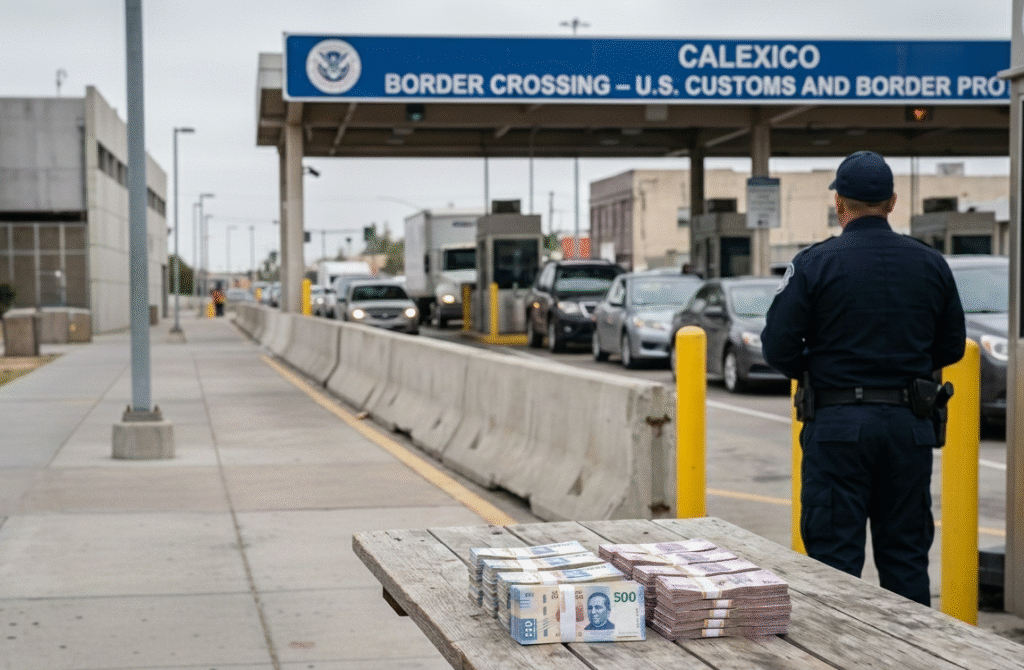
Alejandra Ang Hernández, a Morena state lawmaker from Mexicali, found herself detained by U.S. authorities after crossing with undeclared cash. The amount reported reached roughly 800,000 pesos. The stop triggered headlines, speculation, and fast reactions back home.
Soon after, the PRI demanded her removal from the powerful fiscal oversight commission she currently chairs. The story then grew legs, crossed political lines, and landed squarely in the public conversation.
Still, the real issue goes beyond the cash.
Who Ang Is and Why Her Role Matters
Ang serves in the Baja California State Congress, representing District III in Mexicali. She belongs to MORENA the ruling party at both state and federal levels.
More importantly, she presides over the Comisión de Fiscalización del Gasto Público. That commission reviews public accounts and oversees how taxpayer money gets audited. In short, this office exists to watch the watchers.
So when the person leading that effort appears in a border incident involving undeclared cash, questions arrive immediately. Not quietly. Not gently.

What Actually Happened at the Border
According to follow-up reporting by ZETA Tijuana, Ang’s U.S. visa was not revoked. That detail matters.
Ang stated the money was personal. She said it came from long-term savings and a vehicle sale. She added the cash was meant to buy another car. The failure, she explained, involved paperwork, not intent.
Under U.S. law, carrying more than $10,000 USD across the border is legal. Failing to declare it is not. That distinction often gets lost in translation, especially once social media grabs the wheel.
Meanwhile, the process remains administrative. The money can be recovered if its legal origin is documented.
Why the PRI Is Calling for Her Removal
The political response arrived quickly. The PRI argues that fiscal credibility matters more than explanations. From their view, someone under scrutiny should not lead the commission that evaluates public spending.
The demand does not hinge on visas or American sanctions. It focuses on optics, trust, and institutional legitimacy.
PAN voices echoed similar concerns. Transparency, they said, must apply to everyone. Especially to those overseeing the books.
What This Means for Baja California
Public confidence rarely breaks all at once. Instead, it erodes quietly. Oversight bodies depend not only on legal power but on perceived integrity, and once doubt enters that equation, it travels fast. As a result, legislative work begins to drag. Fiscal reviews, already slow and procedural, lose momentum under political pressure. In that environment, every decision feels heavier, every delay more visible, and accountability becomes harder to defend.
Then comes the border factor. Baja officials operate in a binational reality. Crossing lines, literal and symbolic, now carries sharper consequences. Paperwork errors no longer stay private.
Still, this case also shows how fast narratives evolve. Early rumors suggested harsher outcomes. Verified reporting corrected that course. Facts steadied the story.
The Bigger Picture
Ang keeps her seat. Her visa stands. The investigation continues.
Yet the question remains uncomfortable. Should someone overseeing public audits step aside during controversy? Or does due process demand patience?
Baja has seen this debate before. It never ends cleanly. It fades, then returns with the next headline.
For now, the commission stays under the spotlight, bright enough to spot loose change. So does the lawmaker in charge. That’s Baja for you. Borders don’t just separate countries here, they magnify stories. Trust moves fast, rumors move faster, and paperwork always shows up last. One thing is clear though: in Baja politics, it’s still better to declare than to despair — especially before you cross anything.