

A New Secretary, a Big Stage, and Zero Time for Warm-Ups
As many of you already know, we started the year with a new Secretary of Tourism, as I shared in my article “New Era for Baja Tourism: Badiola Leads the Way” What followed was not a cautious debut. Instead, Miguel Ángel Badiola Montaño went straight to Madrid, stepped onto one of the largest tourism stages in the world, and got to work.
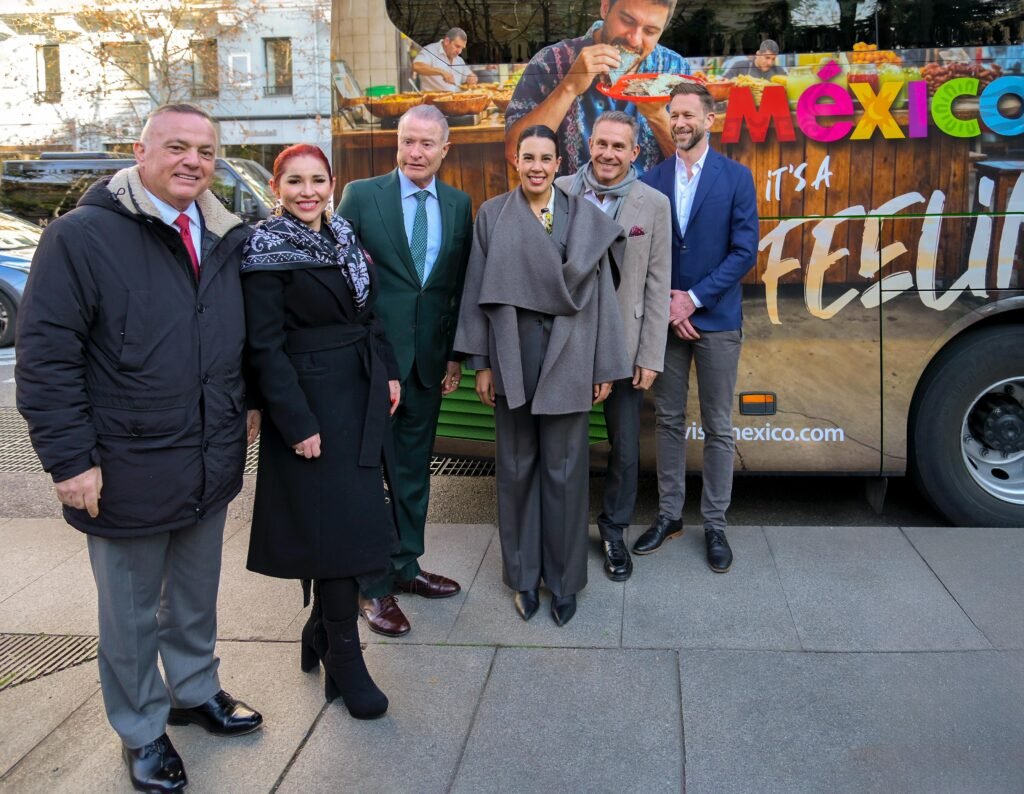
On Wednesday, January 21, 2026, Baja California arrived at the Feria Internacional de Turismo, better known as FITUR, with Mexico serving as the guest country. From January 21 to 23, all 32 Mexican states promoted their destinations. However, presence alone does not move the needle. Strategy does.
FITUR Is Where Positioning Happens
Badiola followed an agenda aligned with the tourism promotion and investment vision set by Governor Marina del Pilar Ávila Olmeda. Rather than focusing on ceremonial appearances, he prioritized meetings, positioning, and conversations that matter. Because FITUR is not a walk through booths, it works more like a chessboard where every move counts.
During the Assembly of the Union of Tourism Secretaries of Mexico, tourism leaders from all 32 states discussed competitiveness, sustainability, and Mexico’s projection in European markets. For Baja California, those conversations translate into real opportunity. Europe brings travelers who stay longer, spend more, and value authenticity over trends.
Tourism Today Also Means Investment
At the same time, tourism speaks fluent investment. That message carried weight at the Tourism and Investment Forum organized by BBVA México, where more than 300 business leaders gathered alongside governors from Guanajuato, Jalisco, and Quintana Roo. In that setting, Baja California highlighted its readiness.
Wine tourism, medical travel, gastronomy, and cross-border mobility are no longer side attractions. Instead, they anchor the region’s tourism narrative. FITUR provided the right room to make that clear.
Letting Identity Do the Talking
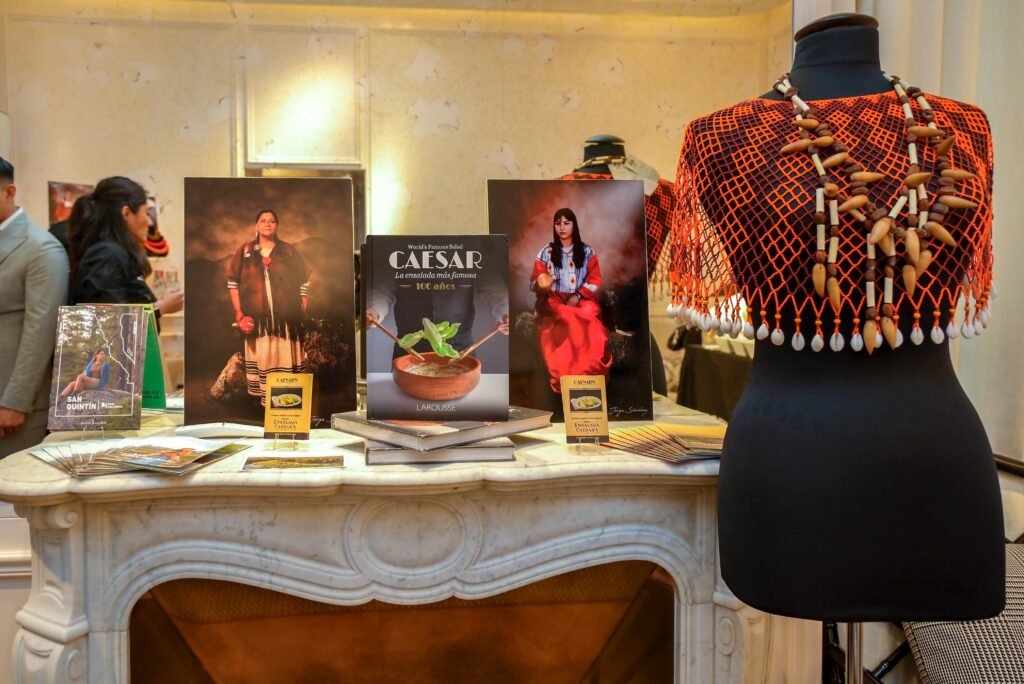
One of the most telling moments came with the inauguration of “Ventana a México,” led by Mexico’s Secretary of Tourism, Josefina Rodríguez Zamora. This space relied less on speeches and more on experience. Through food, wine, and craftsmanship, Mexico told its story, and Baja California understood the assignment.
Guests sampled the iconic Caesar’s Salad, regional wines, and artisan pieces created by Yuman communities. Through flavor and texture, Baja presented identity rather than slogans. That approach resonates strongly in European markets, where authenticity carries real weight.
When the Wine Carries the Message
Among the wines representing Baja California was Gran Ricardo from Monte Xanic, and that choice mattered. This is not a bottle poured casually. It signals intention and confidence.
I first experienced Gran Ricardo at a long dinner with friends, my husband included, four of us around the table with no rush and very good conversation. The blend of Cabernet Sauvignon, Merlot, Petit Verdot, Cabernet Franc, and Malbec showed up exactly as it should, deep carmine with violet tones and a presence that held attention. We served it at 18°C, paired it with an aged rib eye, and let the wine unfold naturally. Thanks to 18 months of French oak aging, the tannins arrived structured yet patient, evolving steadily as the evening went on. It is a wine that rewards time, company, and attention, which explains its ten-year aging potential and why pouring it abroad sends a clear message about Baja California’s standards.
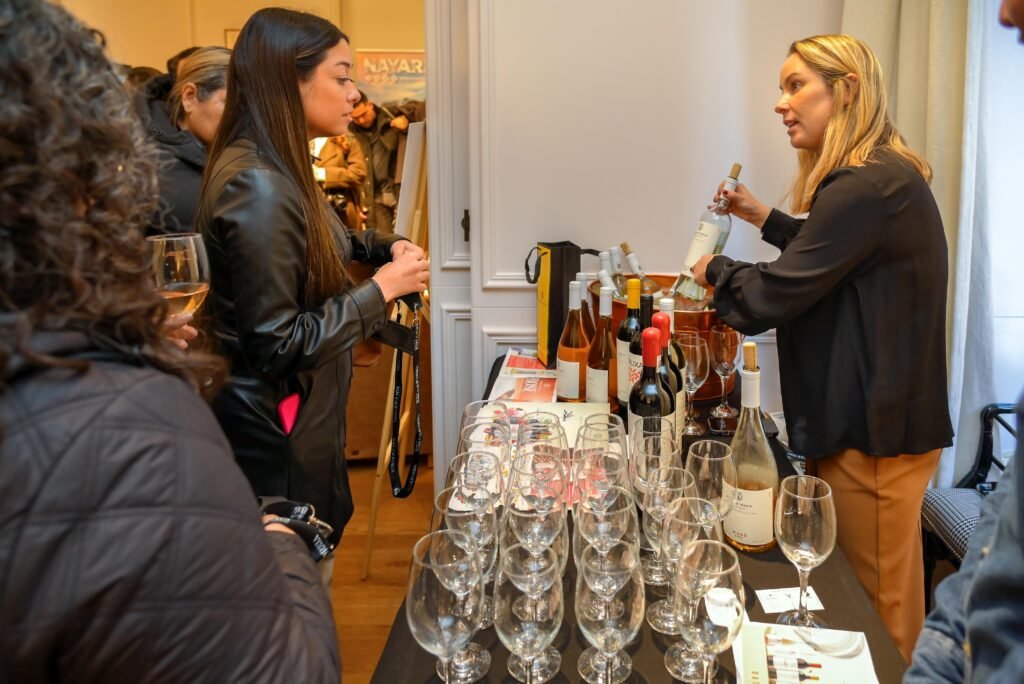
That tasting was a luxury moment. Not everyone gets poured Gran Ricardo, and the fact that it represented Baja California internationally spoke volumes without a single press release.
I will admit one small frustration. I missed the Blanco. One moment it was there, the next it had vanished. If anyone knows where to find it now, please consider this a public service announcement. Strictly journalistic purposes.
Why Madrid Matters Back Home
Ultimately, Baja California’s presence at FITUR reflects a broader policy focused on strengthening international positioning, expanding strategic alliances, and opening doors for tourism, economic growth, and social development. While that language sounds official, the impact feels personal at home.
International visibility stabilizes tourism. Investment supports jobs and infrastructure. Strong positioning allows Baja California to compete globally rather than regionally.
Starting the year in Madrid, with a packed agenda and very good wine doing part of the talking, sends a clear message. Baja California is not easing in. It is already moving forward.
No bad news there. 🍷


1 Comment