

In Tijuana, parking is part of the city’s daily rhythm, because it is where errands begin, plans adjust, and people assume everything simply works. Most drivers do not think about permits or safety protocols, since parking feels routine, familiar, almost invisible. That quiet assumption changed in mid-December.
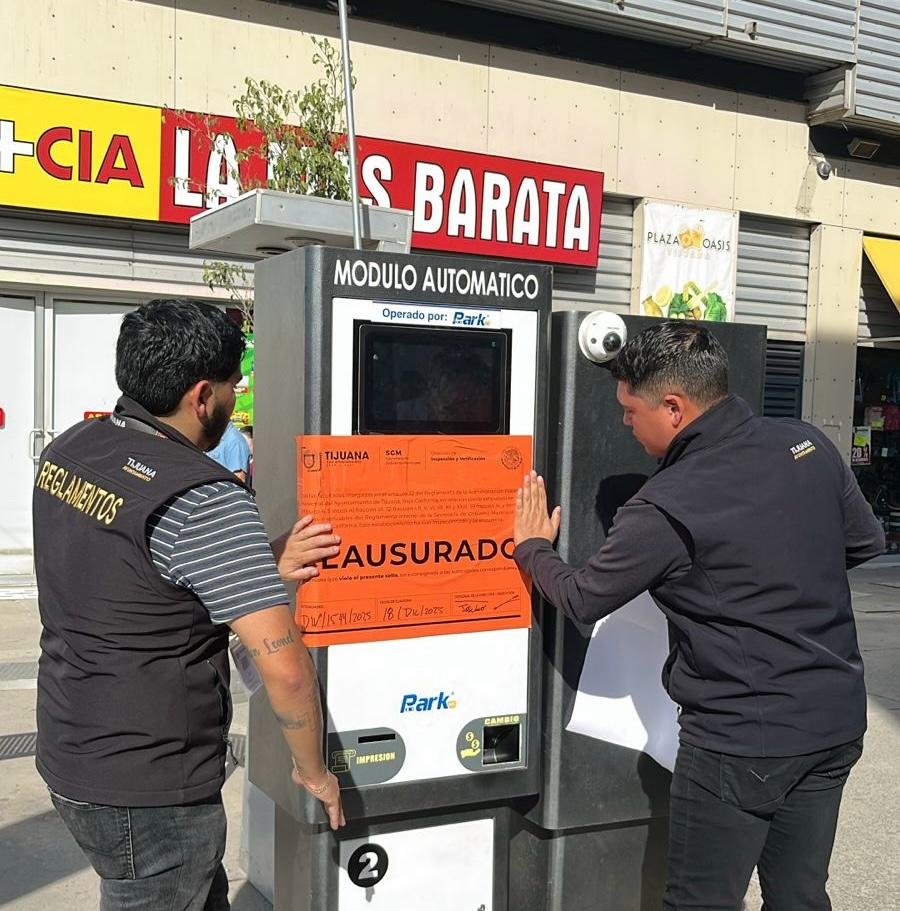
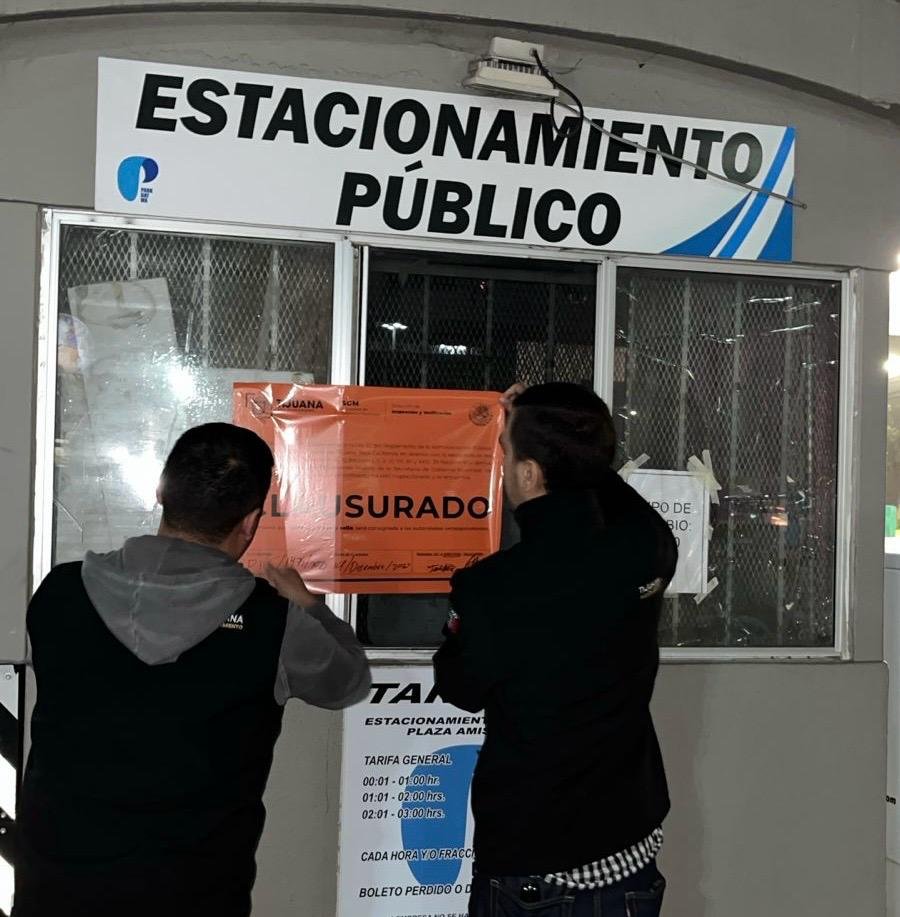
Over five consecutive days, municipal inspectors moved through commercial plazas across the city, not with sirens or spectacle, but with clipboards, cameras, and regulations already on the books. First, they reviewed permits. Then, they inspected physical conditions. When the two did not align, bright orange closure seals appeared.
At first, the closures surprised drivers. Still, the reasons behind them matter more than the inconvenience.
December 16 Where It Started
The first closures arrived on December 16 at Plaza Río and Macro Plaza, two of the busiest commercial hubs in the city. At Plaza Río, inspectors confirmed the parking operation lacked the municipal permits required to function as a public lot, which alone justified a temporary shutdown. Once inside, however, the inspection went further.
Inspectors documented untreated oil spills, exposed electrical wiring, improperly stored gas cylinders, flammable materials, and pest presence in common areas. These were not technical oversights. Instead, they were conditions that quietly increase risk.
At Macro Plaza, inspectors encountered a similar situation, since they found missing evacuation routes, poor emergency signage, pooling water, and exposed cables near elevators. Taken together, these details painted a picture of neglect rather than compliance.
Tijuana Closes Mall Parking Lots Over Safety Violations 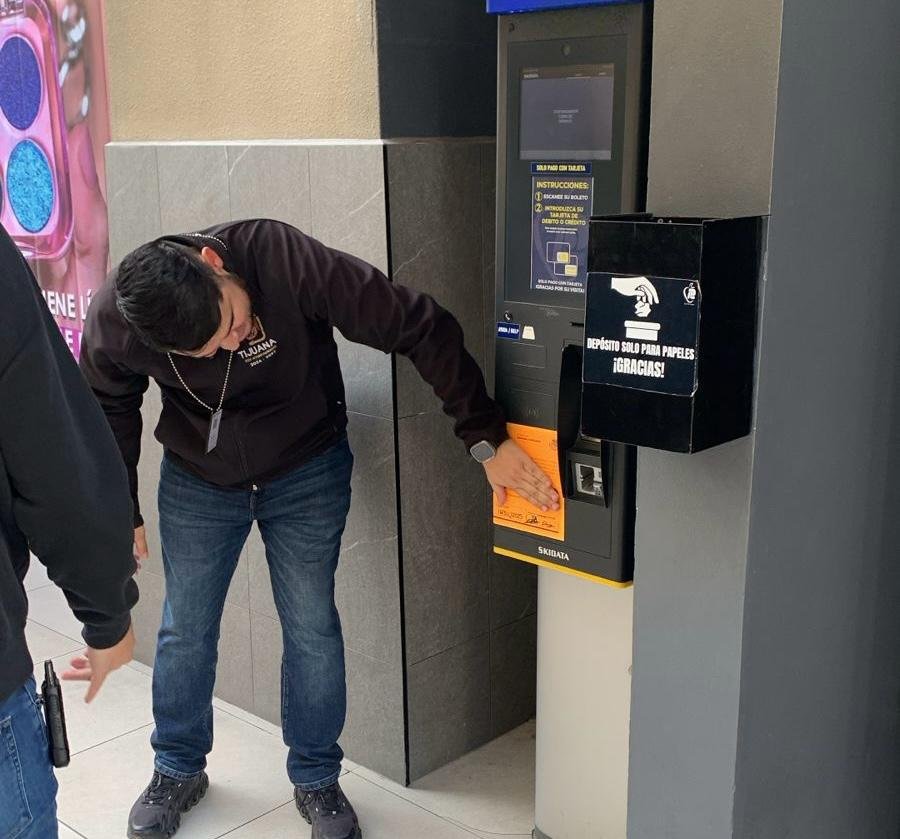
Tijuana Closes Mall Parking Lots Over Safety Violations 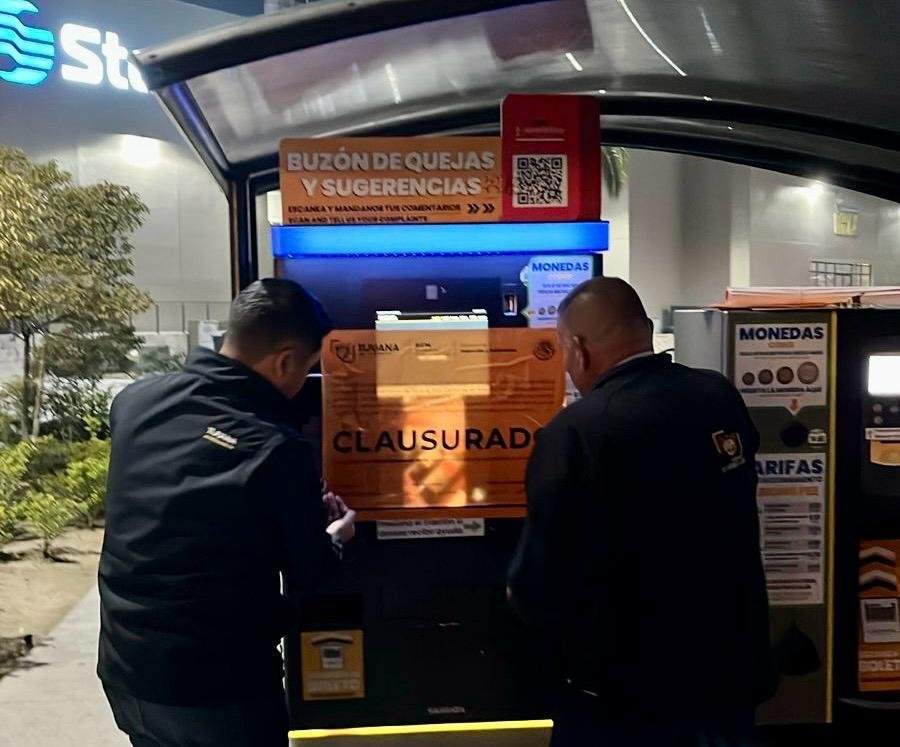
Tijuana Closes Mall Parking Lots Over Safety Violations 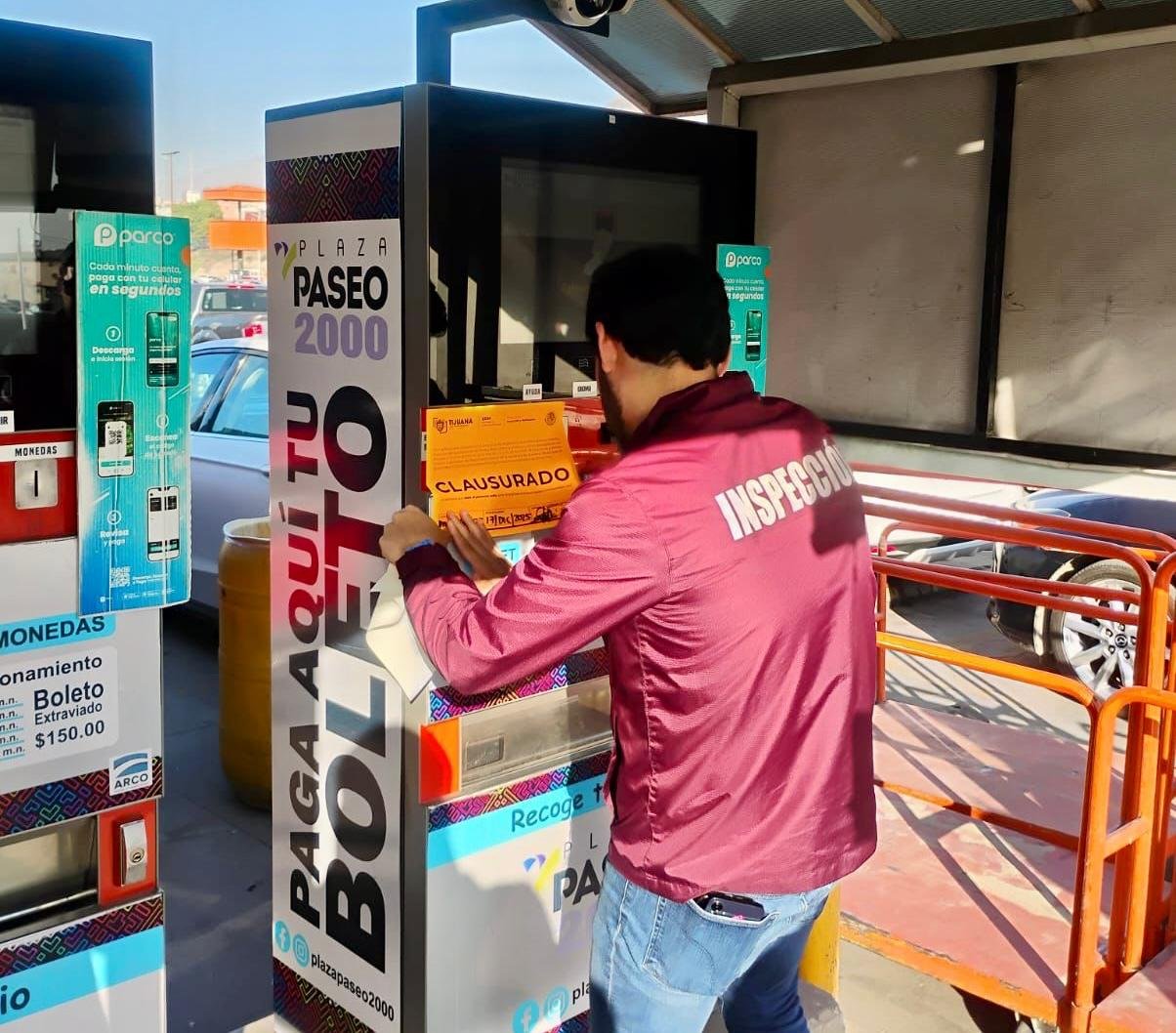
Tijuana Closes Mall Parking Lots Over Safety Violations 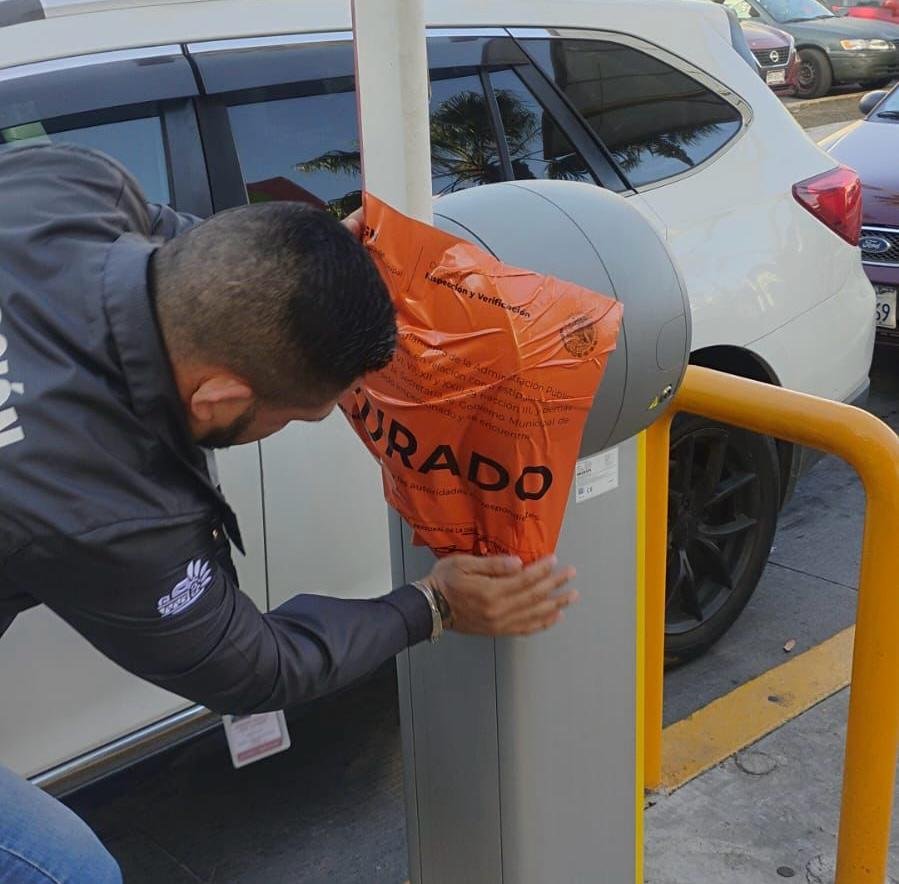
Tijuana Closes Mall Parking Lots Over Safety Violations 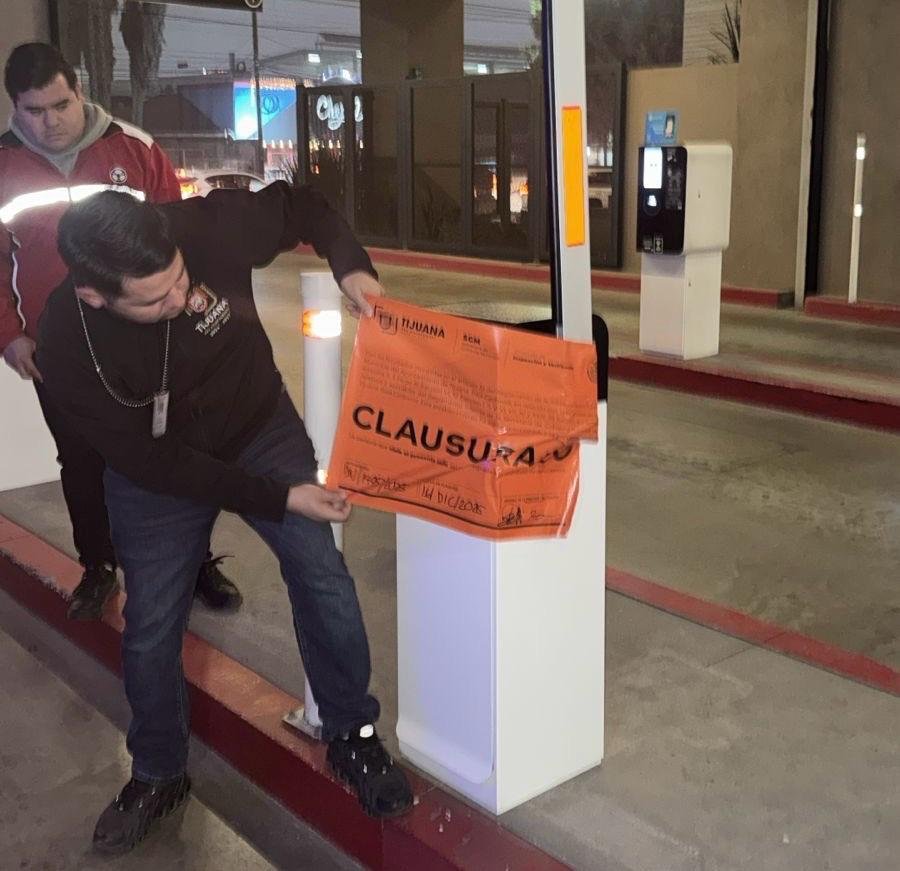
Tijuana Closes Mall Parking Lots Over Safety Violations 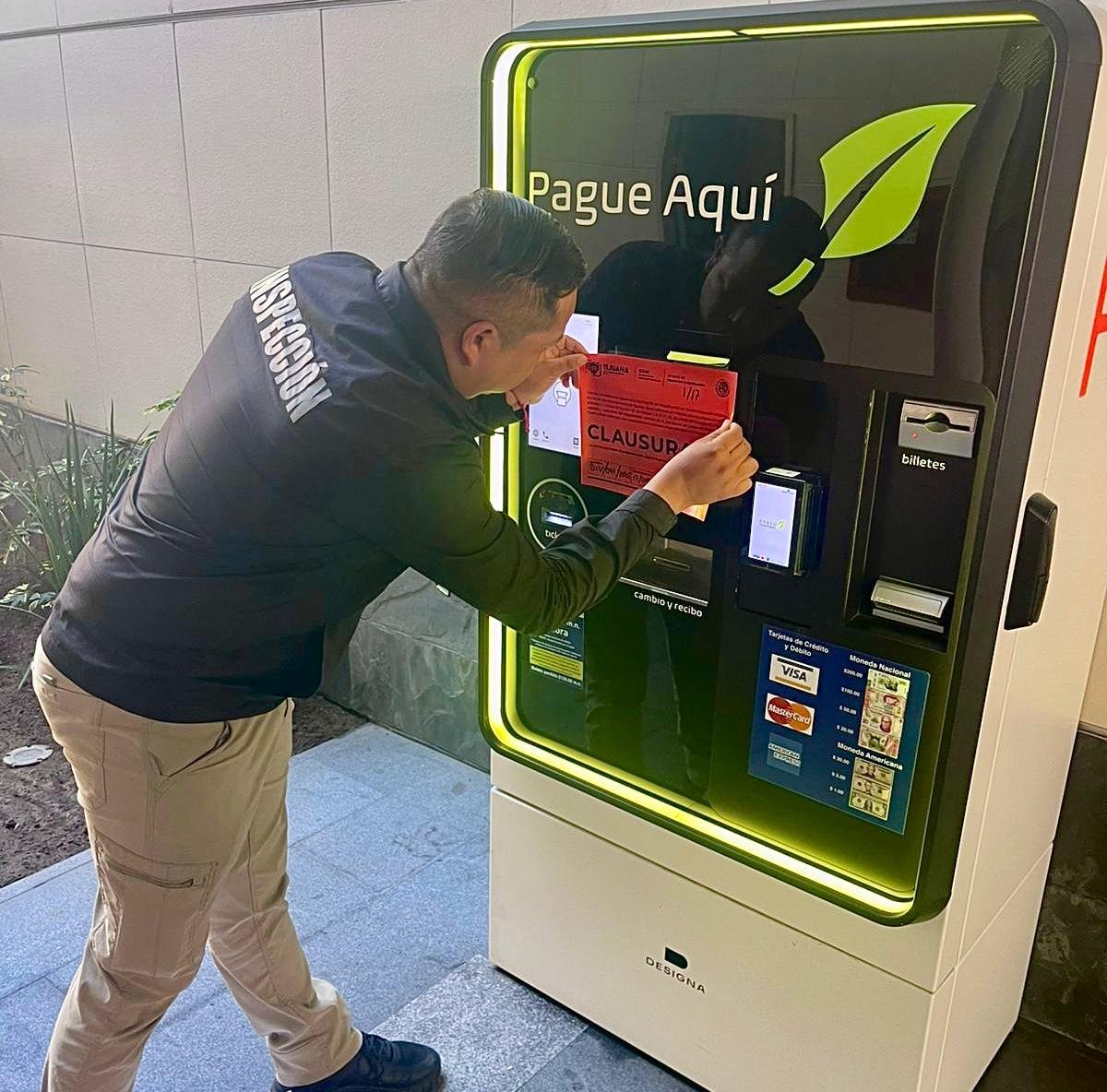
Tijuana Closes Mall Parking Lots Over Safety Violations 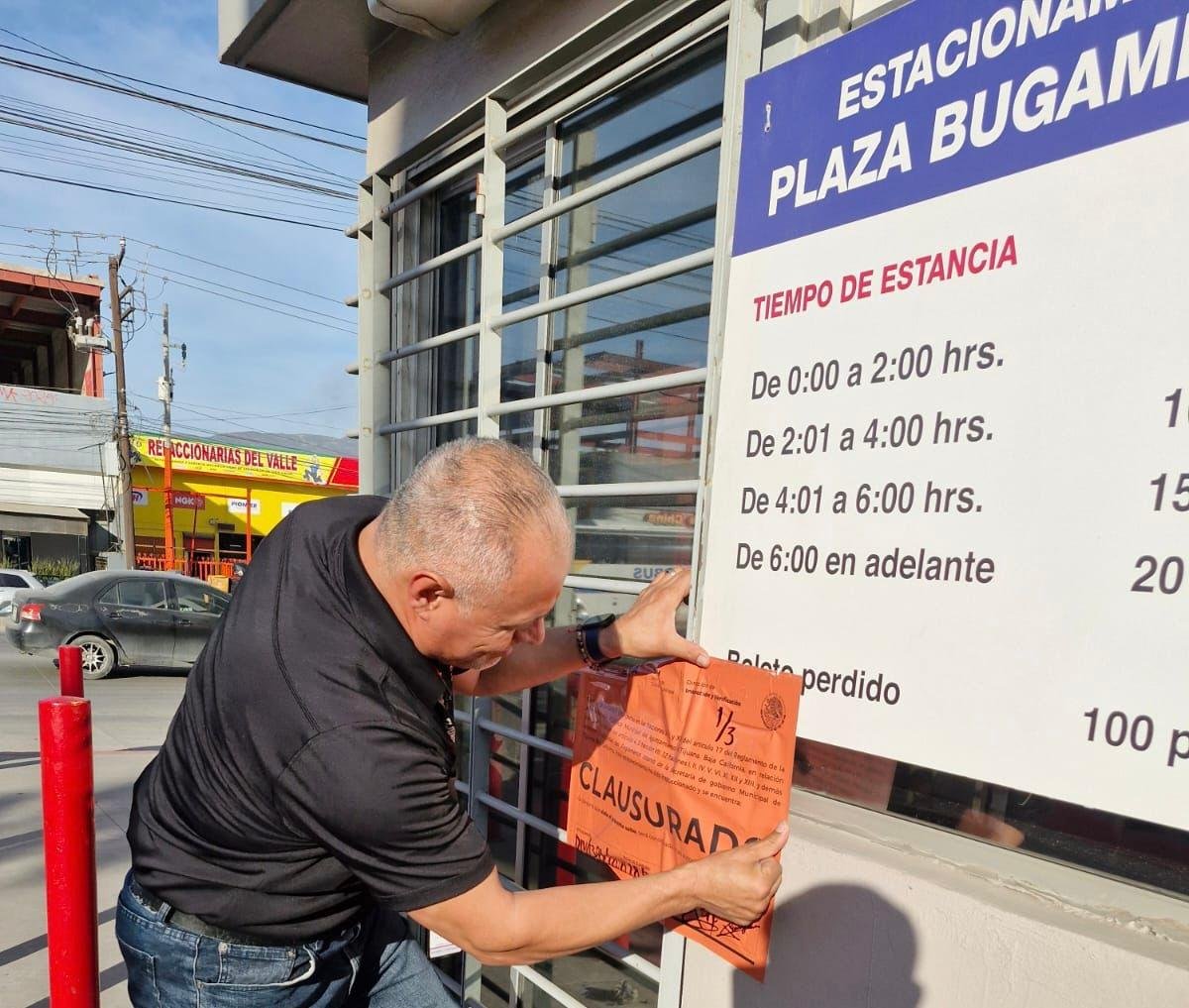
Tijuana Closes Mall Parking Lots Over Safety Violations 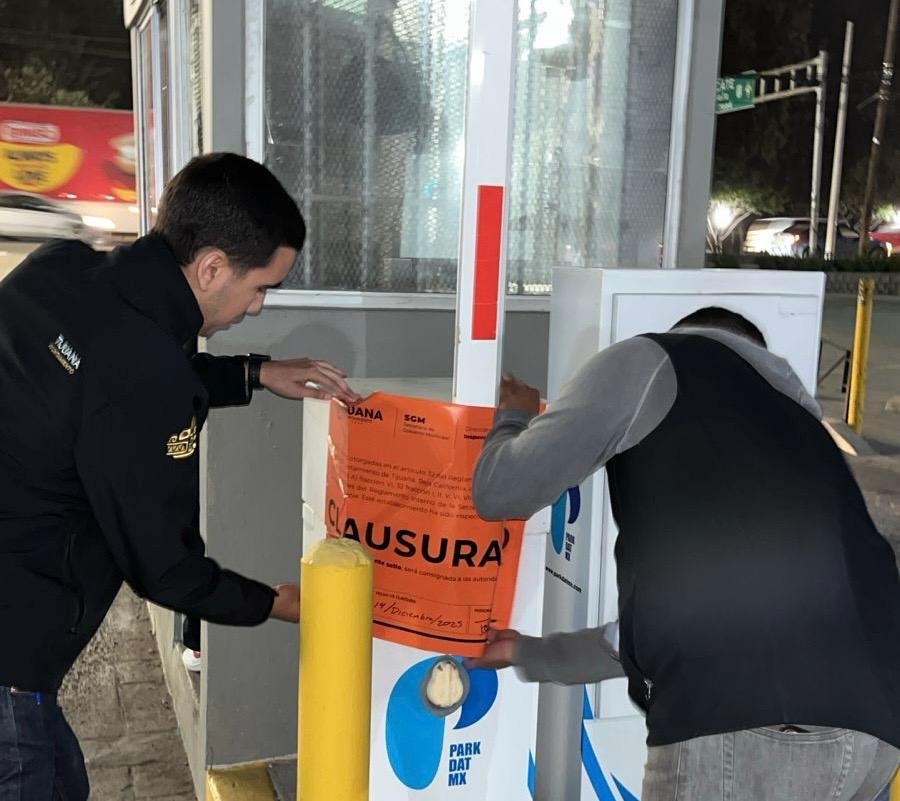
Tijuana Closes Mall Parking Lots Over Safety Violations
December 17 When the Pattern Became Clear
The following day, inspections moved east, which is when the pattern began to repeat itself. Plaza Alameda, located in Otay Centenario, closed after inspectors identified missing permits and safety deficiencies. Later that same day, inspectors shut down the parking area at Landmark Commercial Center in the Calete neighborhood.
There, officials again found absent permits, along with failures tied to civil protection, environmental compliance, and operational safety. By this point, it was clear these were not isolated cases.
December 18 The Sweep Expands
By December 18, inspections expanded across Tijuana, reaching plazas in different zones and with different ownership structures. Parking lots at Plaza Paseo Chapultepec, Plaza 2000, Plaza La Pajarita, and Plaza Galerías closed temporarily, because inspectors found missing environmental authorizations, uncertified safety measures, and the absence of Internal Civil Protection Programs.
As a result, seals went up and gates stayed down, not as punishment, but as a corrective pause.
December 19 Familiar Names, Same Issues
On December 19, more familiar names joined the list. Closures were issued at Plaza Pacífico, Plaza Bugambilias, Plaza Oasis, Plaza 5 y 10, and Plaza La Tecnología. Once again, inspectors cited missing permits, safety risks, hygiene concerns, and environmental noncompliance.
By then, enforcement felt consistent rather than selective, since the same issues kept surfacing in different locations.
December 20 The Largest Round
On December 20, inspectors completed their most extensive round. They reviewed parking operations at Plaza Aurrera Refugio, Plaza del Zapato, Plaza La Amistad, Mundo Divertido, Plaza Campestre, Plaza Pabellón, Plaza Real, Plaza Florido Río, Plaza Paseo del Bosque, Plaza Financiera, and Plaza Loma Bonita.
Some locations received fines, while others closed temporarily, yet all received administrative notices based on existing municipal regulations. No new rules appeared overnight. Enforcement simply caught up.
Why This Is Not About Charging Drivers More
Mayor Ismael Burgueño Ruiz has emphasized a key point throughout the process. These inspections focus on safety, not revenue.
That distinction matters in Tijuana, where residents already worry about paying more than they should. The closures do not authorize higher parking fees, nor do they introduce new taxes. Parking facilities will reopen under the same pricing structures as before, only now with permits, signage, and safety measures in place.
Safety Before Convenience
Yes, the closures caused inconvenience, because drivers walked farther and routines changed. However, inconvenience fades quickly, while unsafe infrastructure does not.
Now, evacuation routes must exist. Wiring must be secured. Oil spills must be cleaned. Permits must be real, not assumed.
Plaza operators are already responding, since paperwork is moving forward, repairs are underway, and signage is being installed. This is not flashy governance. It is preventive governance.
In December, Tijuana chose to fix problems before accidents happened. That decision may feel boring tomorrow, and in matters of safety, boring is exactly right.
No bad news. Just safer parking.