


Gas station drama returned to Baja this week after the Procuraduría Federal del Consumidor (PROFECO) and the Agencia de Seguridad, Energía y Ambiente (ASEA) carried out another round of surprise inspections. Nothing says “holiday spirit” like inspectors showing up with clipboards, calibration tools, and that unmistakable face of: We’re about to ruin someone’s shift.
The joint operation covered stations in Tijuana, Mexicali, Ensenada, and Tecate. Baja California became the 31st state on their national inspection tour, which already looks more exhausting than a Sunday Costco run.
A National Sweep With Local Ripples
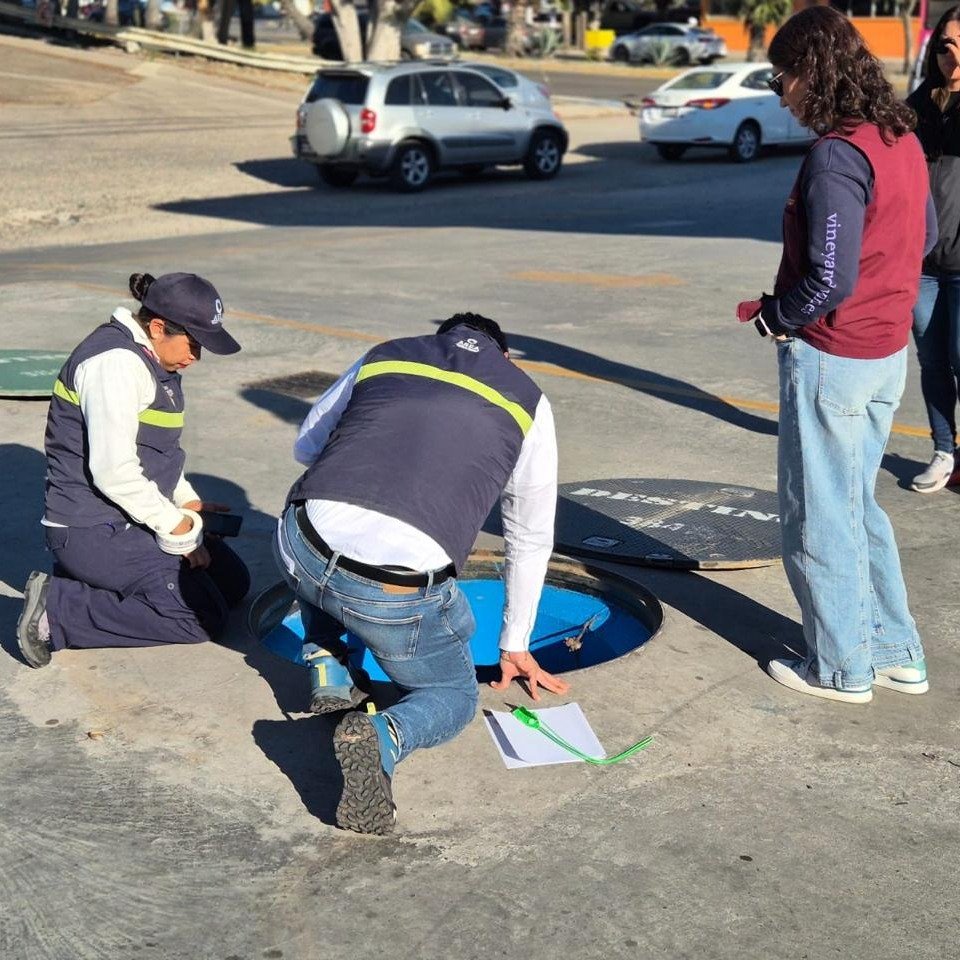
The inspection teams were led by Subprocuradora Andrea González Hernández, who supervises PROFECO’s efforts to confirm that consumers receive what they pay for. Her crew checked meters, dispensers, environmental permits, operational logs, and even the internal memories of the pumps. Yes, pumps keep memories. And yes, they sometimes snitch.
During the visit, inspectors found a familiar mix of cooperation and “no, gracias.”
Three stations refused the inspection altogether. That move rarely ends well, since the law treats a refusal like a giant blinking red flag. Later, a separate station had a measuring device immobilized after it confirmed — very bluntly — that it wasn’t delivering full liters.
Another station ended up in a procedural limbo because it’s tied up in an ongoing legal appeal. Meanwhile, two stations passed without a dent to their reputation, likely celebrating with a quiet little fist pump behind the counter.
Environmental Rules Hit Center Stage
While PROFECO chased down pesos and liters, ASEA focused on the environmental side — the permits, the safety measures, the kind of stuff no one notices until things go wrong.
ASEA ordered temporary total closures for three stations:
• Two lacked a valid Licencia Ambiental Única
• One didn’t have a required Environmental Impact Resolution
Inspectors also found two stations already closed and two that tried that same old “no inspection today” maneuver. Spoiler: it never works.
Among the stations facing action was a familiar name: PEMEX Enerser, located on Bulevar Fundadores in Tijuana. Inspectors found operational irregularities that triggered immediate measures.
What PROFECO Really Does (and Why It Matters)
Most people know PROFECO for one thing: fighting for your right to get a full liter of fuel. But the agency does far more. PROFECO runs quality studies on fuel, tortillas, baby formula, microwave ovens, shampoos — if it’s sold in Mexico, chances are PROFECO has tested it.
These studies combine chemical analysis, performance testing, and long-term durability assessments. They expose bad practices, misleading advertising, and products that look great in the aisle but die faster than a beach umbrella in January winds.
In the United States, the closest equivalent is Consumer Reports. They both test products and publish independent evaluations. The difference? Consumer Reports can’t sanction anyone. PROFECO can — and does. Think of PROFECO as the version with teeth.
Surprise Inspections Are Here to Stay
These gas station sweeps are part of a broader national strategy. Since 2023, PROFECO has increased random fuel inspections through a program called “Quién es Quién en los Combustibles”, which ranks stations by compliance and tracks customer complaints. The agency also uses mobile labs that test fuel quality on-site. If the gasoline contains contaminants or fails octane standards, the station faces penalties.
Mexico has become far less tolerant of shady meters, altered pumps, and missing permits. And Baja’s border traffic, tourism flow, and constant highway movement make it a prime target for tighter control.
For now, PROFECO and ASEA will keep touring the country. And fuel stations will keep pretending they’re not sweating when a white truck pulls in with official plates.
Meanwhile, Baja drivers? We’ll keep hoping our tanks fill properly… and that our credit cards survive the attempt.