

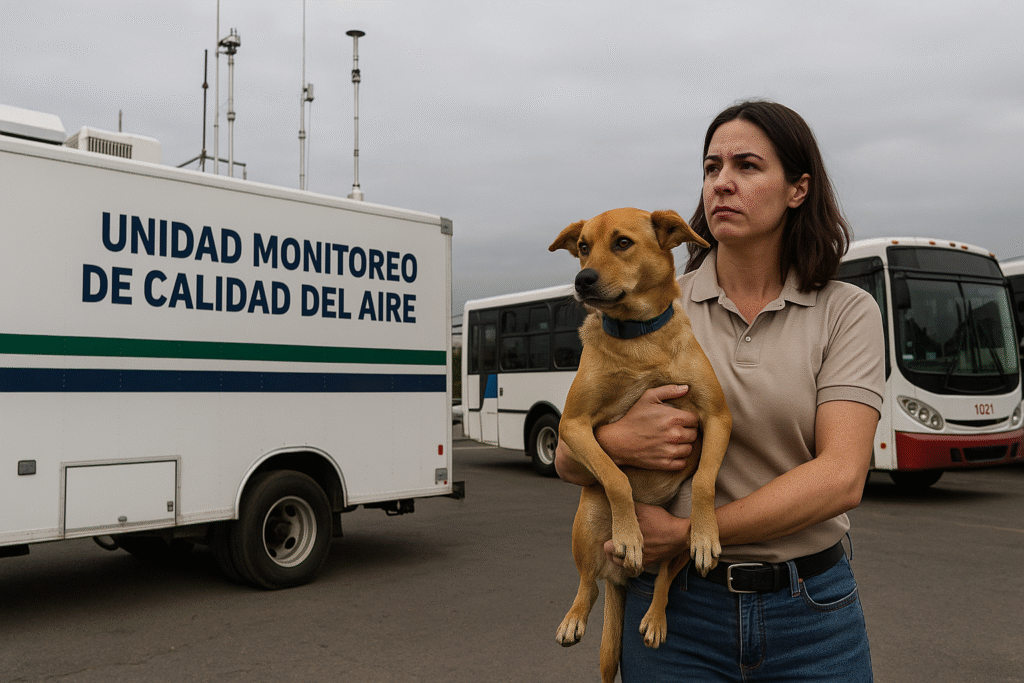
One of the big wins this year was the rollout of a mobile air-quality monitoring unit. Think of it as a scientific food truck, except instead of tacos it serves ozone readings and particulate data.
The state also expanded ozone monitoring across every official station. That matters when you live in Mexicali, where dust storms, agricultural burns, and the occasional “mysterious haze” make locals question their life choices by 3 p.m.
Baja also strengthened its Environmental Contingency Program. Not sexy, but important. It’s the system that kicks in when the air reaches “don’t breathe too deeply” levels. And yes—those days still happen.
Animal Welfare: More Complaints, More Action, and More Reality Checks
Baja recorded 761 animal-cruelty complaints this year. It’s a depressing number, but it reflects something hopeful: more people are reporting abuse, and authorities are actually responding.
Twenty-five recommendations went out to municipalities to improve their animal-welfare centers. Anyone who has stepped near one knows they need more than recommendations—they need staff, training, and budgets. But at least the pressure is now official.
Environmental prosecutors also shut down 34 polluting sites, suspended 13 businesses mishandling construction waste, and froze 33 places operating without environmental permits. Mexicali, Tijuana, and Ensenada topped the list, which is not shocking to anyone who has ever lived near a busy industrial corridor here.
Mobility: Training Drivers and Retiring the Sardine Vans
Mobility is where the state flexes the most. And honestly, the improvements show.
From October 2024 to October 2025, 1,961 public-transport drivers completed training programs. A trained operator usually means fewer dramatic lane changes and fewer passengers clinging to Jesus figurines on the dashboard.
The pilot program to replace overloaded taxis-de-ruta with bigger units is also rolling. Forty-six new vehicles now operate: 43 in Tijuana and 3 in Rosarito. It’s a tiny dent in a huge system, but at least the vans no longer feel like voluntary compression chambers.
Transport Violeta: Safe Rides, Growing Demand
The Transport Violeta service, designed for women and children under 12, saw a 39% jump in ridership this year. More demand usually means more trust—and more need.
Nine active routes operate from 6 a.m. to 10 p.m., using a fleet of 47 units across the major municipalities. For many riders, it’s the difference between feeling safe on the way home or bracing for the usual street-harassment roulette.
About That Phrase: “Sentient Beings”
The government’s own headline used the phrase “protection of sentient beings.” It sounds poetic—almost mystical—but it’s actually a legal term Mexico has been adopting. It acknowledges that animals feel pain, stress, joy, fear… and yes, heartbreak, though no law will ever admit that one.
Secretary Vega proudly used the term because it elevates animal protection in law. And the timing couldn’t be more relevant. This summer we reported on the 300 rescued dogs and the dark secret inside an Ensenada shelter, a story that showed how good intentions collapse without oversight. The state’s new policies attempt to close that gap between slogans and reality.
Progress? Yes. Perfect? No.
Baja is moving—slowly, loudly, and sometimes sideways—but moving.
We have cleaner-air tools, more driver training, safer transport for women, and stronger animal-welfare enforcement. But we also need more monitoring stations, real investment in municipal shelters, and a transportation system that doesn’t depend on hope and luck.
Still, for a government report, this year brought more substance than spin. And around here, that’s already a small miracle.